Was
↓
Became
Architect
Conversion plan
Harvard GSD · Transition as Condition · April 2026
Turin after FIAT and the Olympics
Cittá di Torino presents itself as a postindustrial success story. The 2006 Winter Olympics are the city’s preferred origin for its own reinvention — Lingotto becomes Renzo Piano’s mall, OGR becomes a cultural hub and tech incubator, the Scalo Dora freight yard becomes the Olympic Village. Harvey argues that cities resolve crises by pulling built assets back into circuits of capital. Turin did exactly that. This project asks: what does the city leave behind when it reinvents itself?
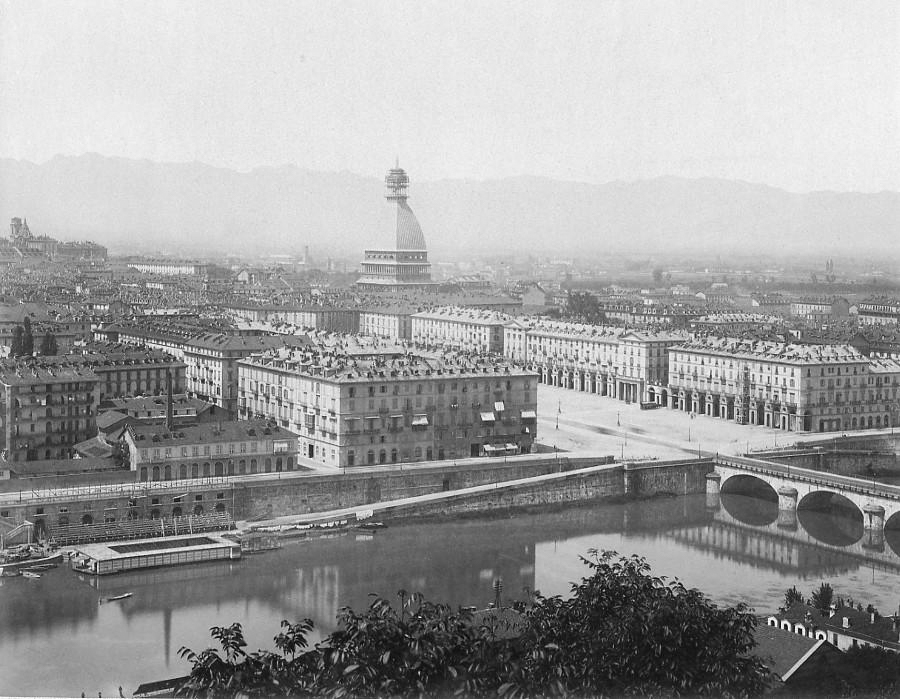
Turin before FIAT was the royal capital of the House of Savoy, and the first capital of unified Italy from 1861 to 1865. The city is a baroque grid along the Po, Italy’s longest river. By the mid-1800s the Turin–Genoa line and the local Turin–Ceres commuter rail are already in place — among the earliest in the country. These natural and manmade features shape the early city, expanding through the nineteenth century from small-scale maker-factories.
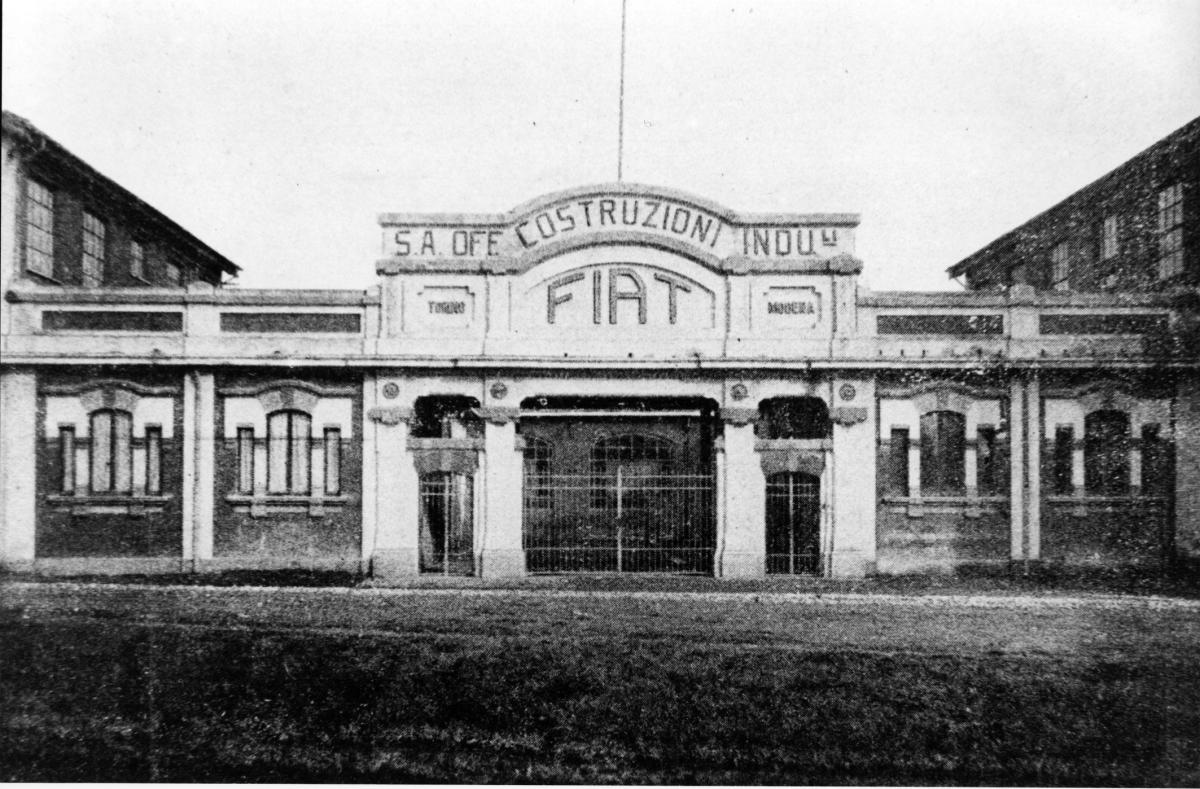
Founded by Giovanni Agnelli in 1899, FIAT opens at Corso Dante in 1900 — one of many manufacturers and employers within the city grid, whose population has reached 329,691. The railways and trams that will organize FIAT’s supply chains and worker commutes are already in place. The infrastructure exists before the empire does.
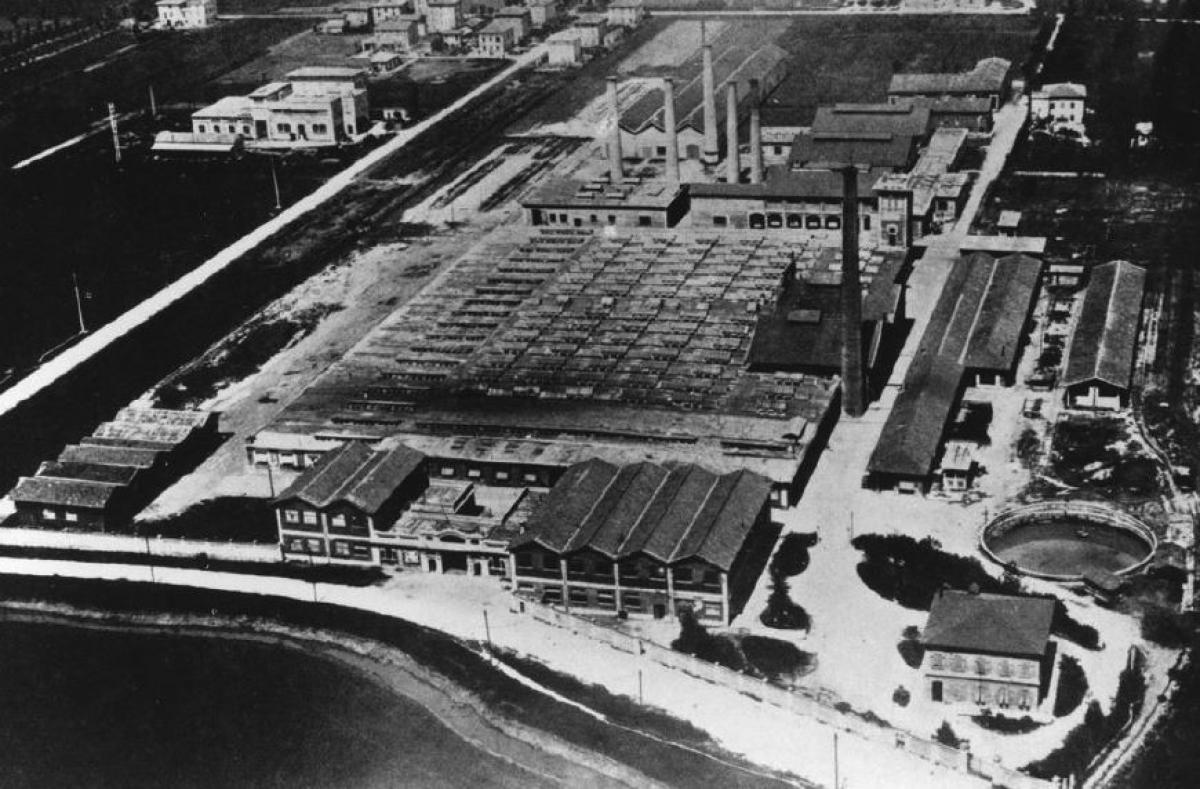
FIAT has begun to outgrow its Corso Dante block. War-time production accelerates expansion; the workforce balloons and the city grows around it. The southern edge of the grid — still agricultural — is being scouted for FIAT’s next site. Working-class neighbourhoods spread north and west of the historic core to house the new industrial labour force.
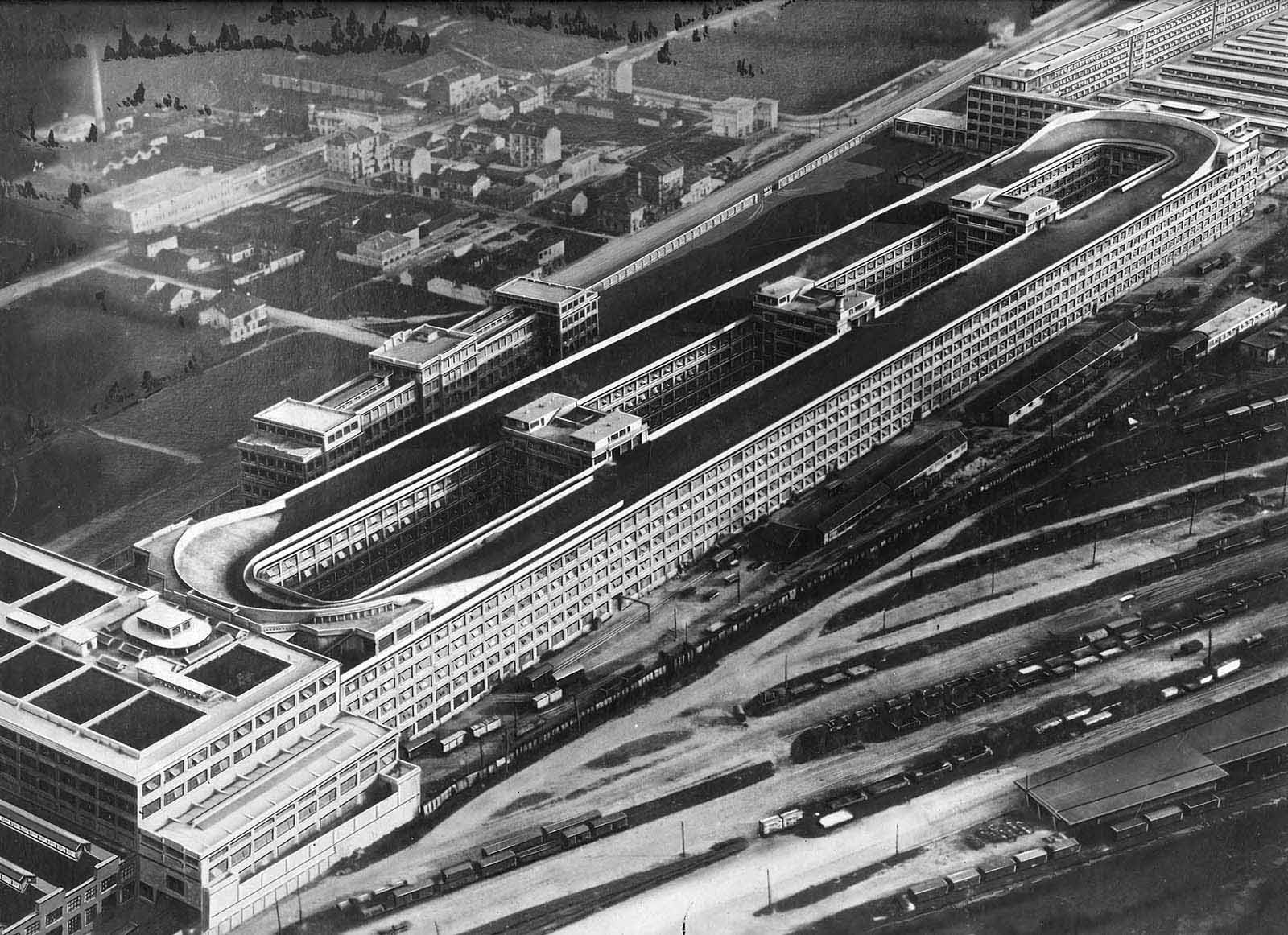
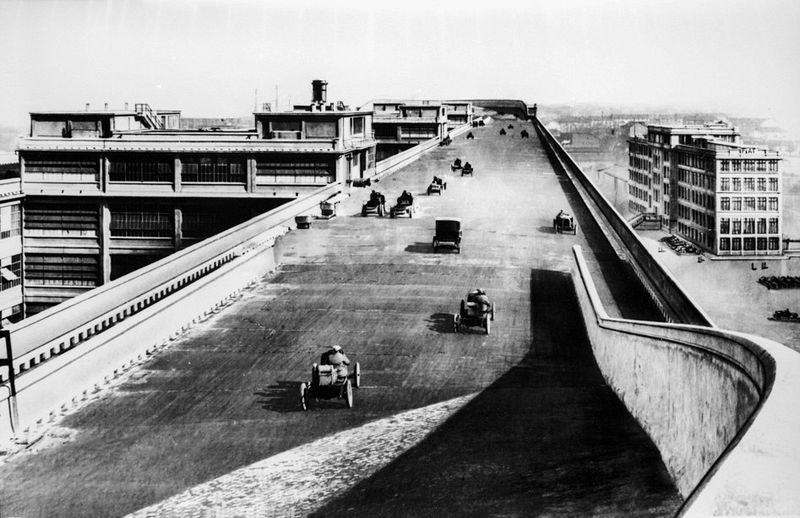
By 1922 FIAT had outgrown Corso Dante. The Lingotto factory, completed 1923, anchors a new industrial edge at the southern end of the grid. Five storeys of vertically integrated assembly culminate in a rooftop test track — Italy’s most literal Fordist building. The southern agricultural land becomes industrial land, and the city’s centre of gravity begins to shift toward the factory.
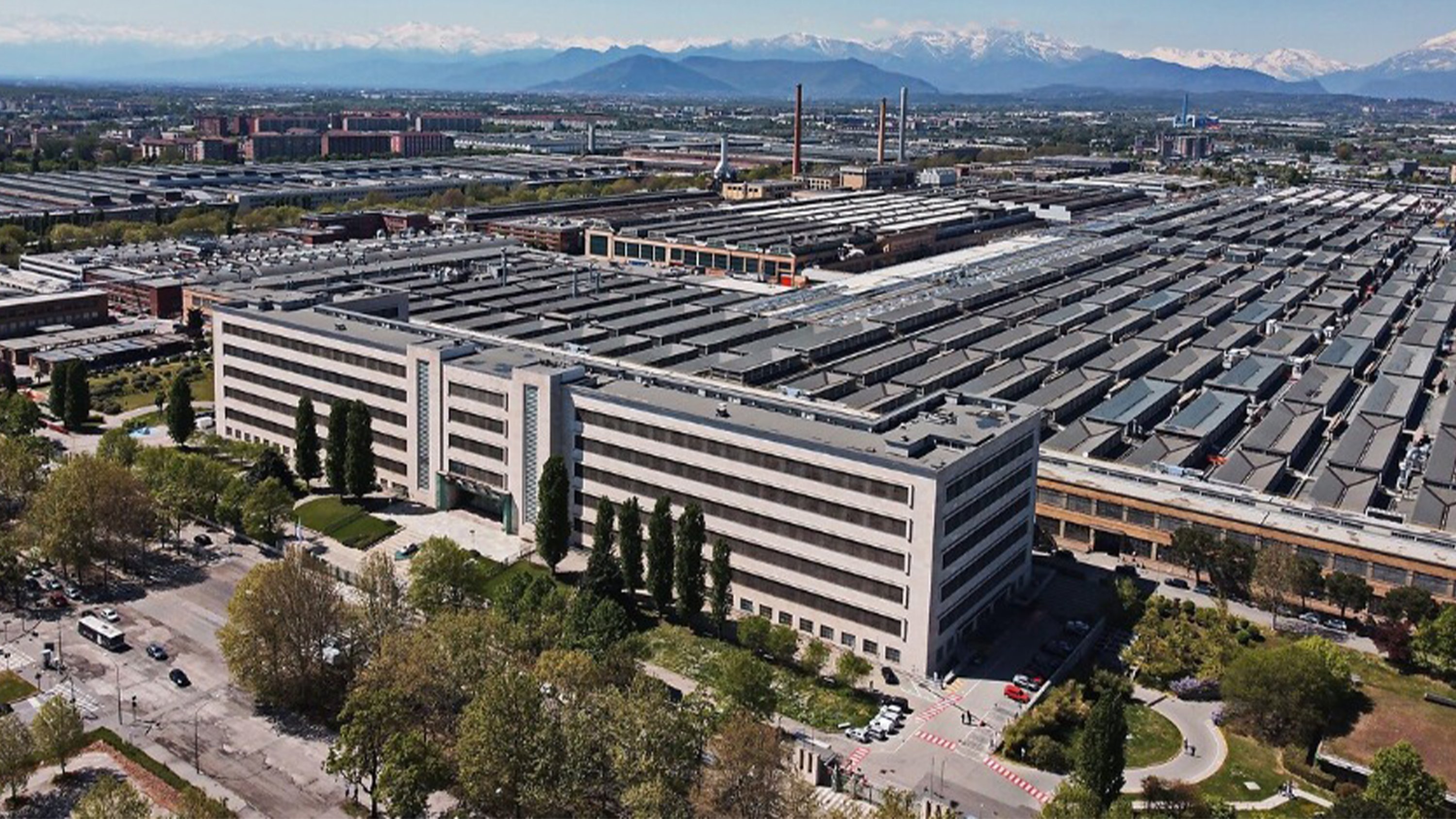
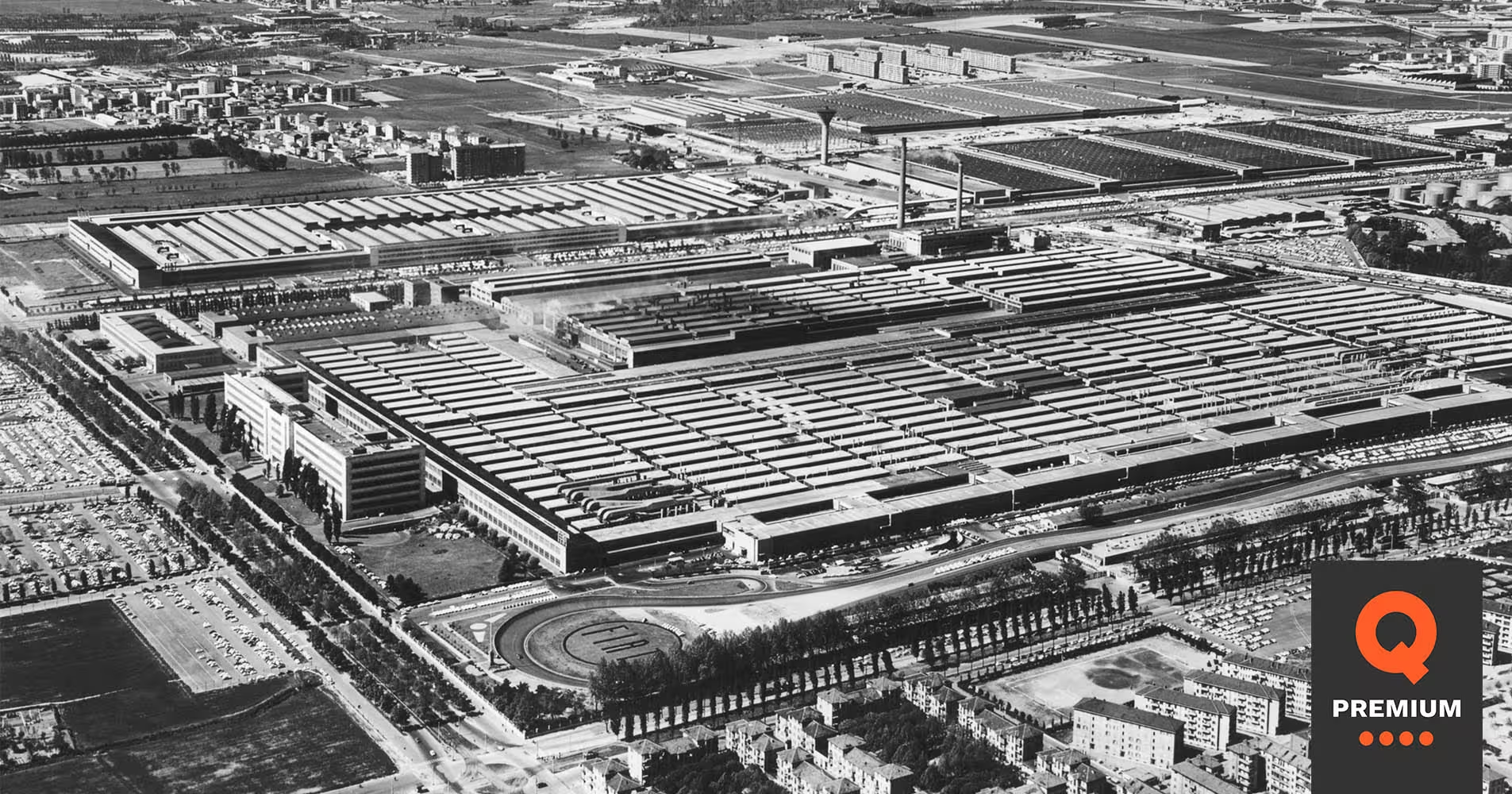
Mirafiori, completed in 1939, pushes FIAT’s expansion still further south as Lingotto winds down. A single site engineered for mass automotive production at a scale Lingotto could not reach. The Fordist spatial logic is now city-scale — Mirafiori sets the southern edge, the railway corridor binds north–south, and the first phase of dedicated worker housing (Villaggio FIAT at Via Nizza, ~1,000 dwellings, 1923–33) is already in place adjacent to Lingotto.
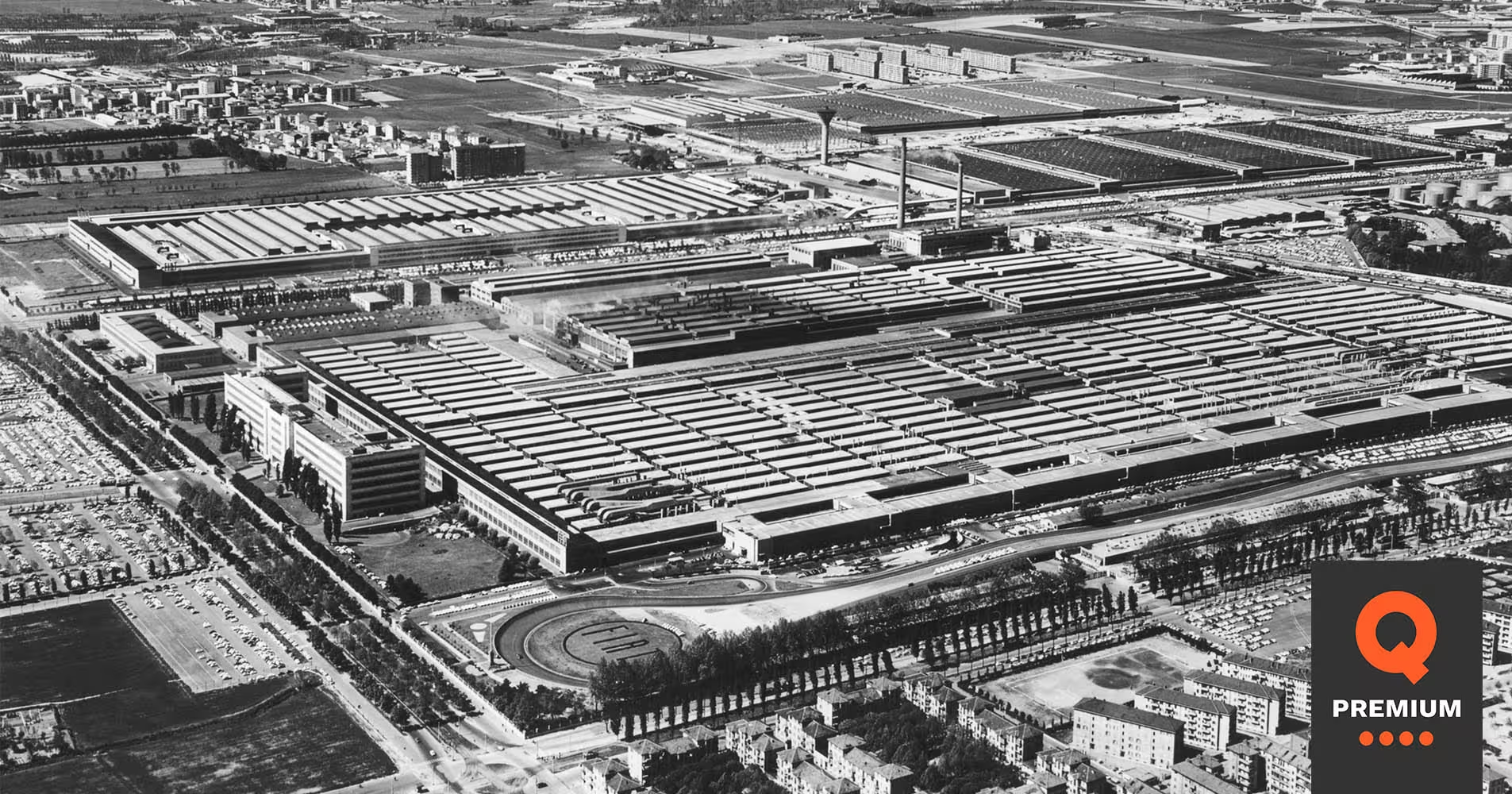
By the 1960s, FIAT’s workforce is around fifty to sixty thousand. The company doesn’t just dominate Turin’s economy — it structures its geography and social norms. This is Harvey’s Fordism as a total social system, the only city in Italy with this type of modern transformation.
Worker housing is the spatial expression of this agenda. Under the INA-Casa plan (1949–63), Turin received some of the most generous projects in Italy. Falchera (Astengo, 1951–54) was created as an autonomous residential unit for ~6,000 residents on the city’s northern edge. Mirafiori Sud (Roggero/Giay/Mesturino, 1962–67) housed roughly 12,000 near the factory. By the early 1970s FIAT and the state had built over 12,000 dwellings across at least seven districts.
“Fordism… rests on a set of labour control practices, technological mixes, consumption habits and configurations of political-economic power.”
David Harvey, The Condition of Postmodernity (1989), p. 135
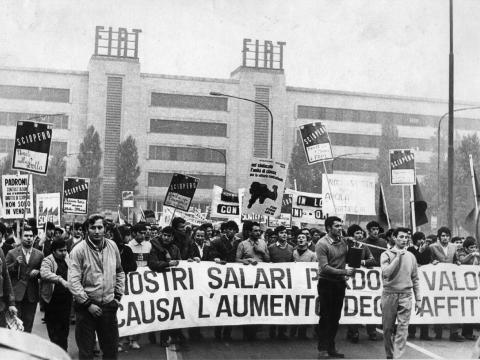
Global crisis hits Turin hard — oil shocks, automation, labour unrest. The breaking point comes on October 14, 1980: nearly forty thousand white-collar workers march through Turin demanding a return to work, breaking a thirty-five-day FIAT strike and ending the union’s leverage. What follows is not the disappearance of industry but its spatial reorganization — what Harvey calls flexible accumulation. Mirafiori’s workforce drops from sixty thousand to thirty thousand by 1980.
“The urban phenomenon… is the site and place of struggles, confrontations, as much as of contracts and compromises.”
Henri Lefebvre, The Urban Revolution (1970), p. 18
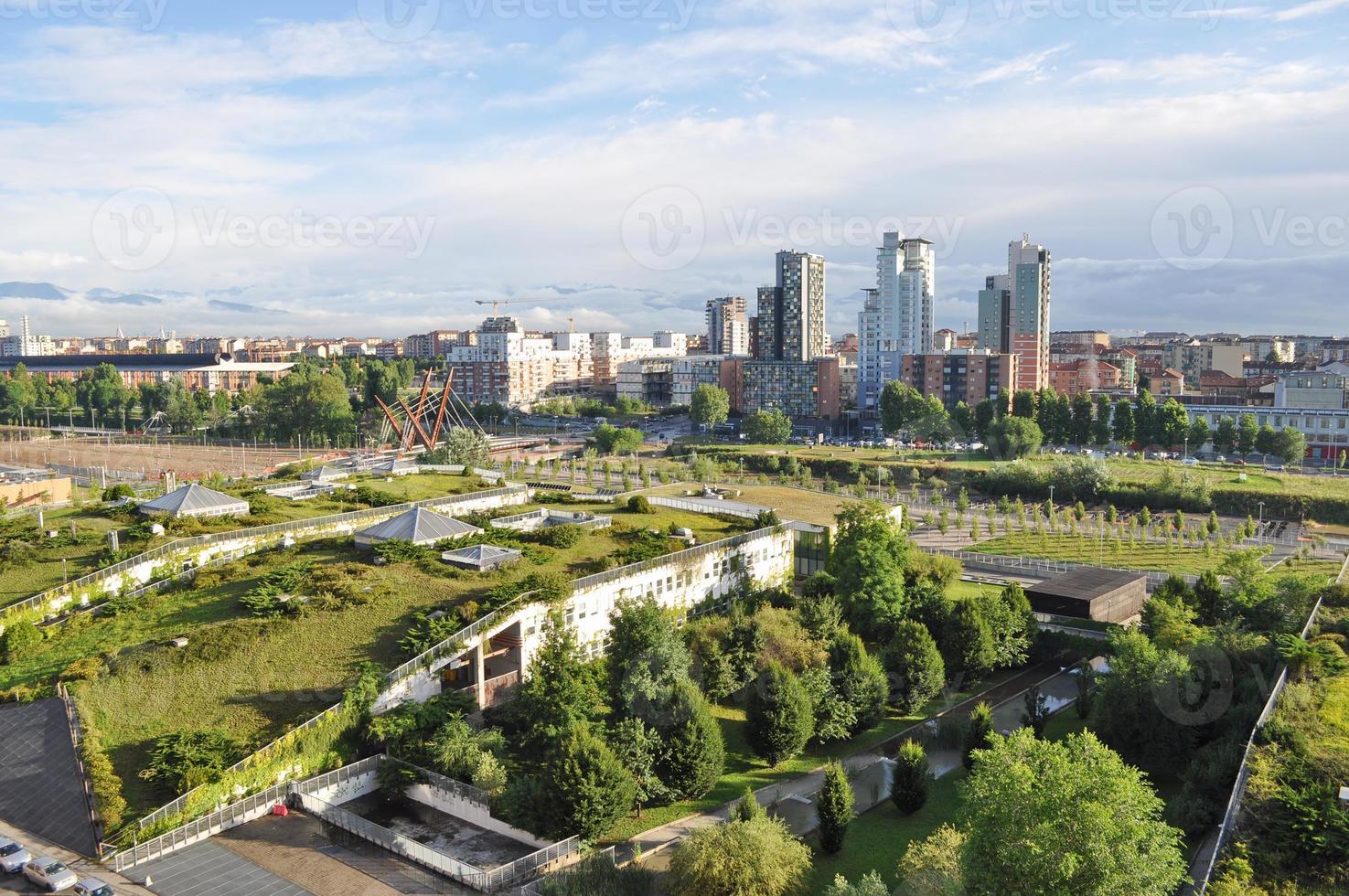
The city’s response, though delayed, is the Spina Centrale. The 1995 Piano Regolatore Generale buries ten kilometres of north–south rail line, dividing the freed corridor into four spine zones. The plan precedes the Olympics by ten years; the Games will accelerate it but did not invent it.
“The prefix post marks a before and after, but what exactly has ended? Industrial capital does not disappear — it reorganizes.”
Sharad Chari & Katherine Verdery, Thinking between the Posts (2009)
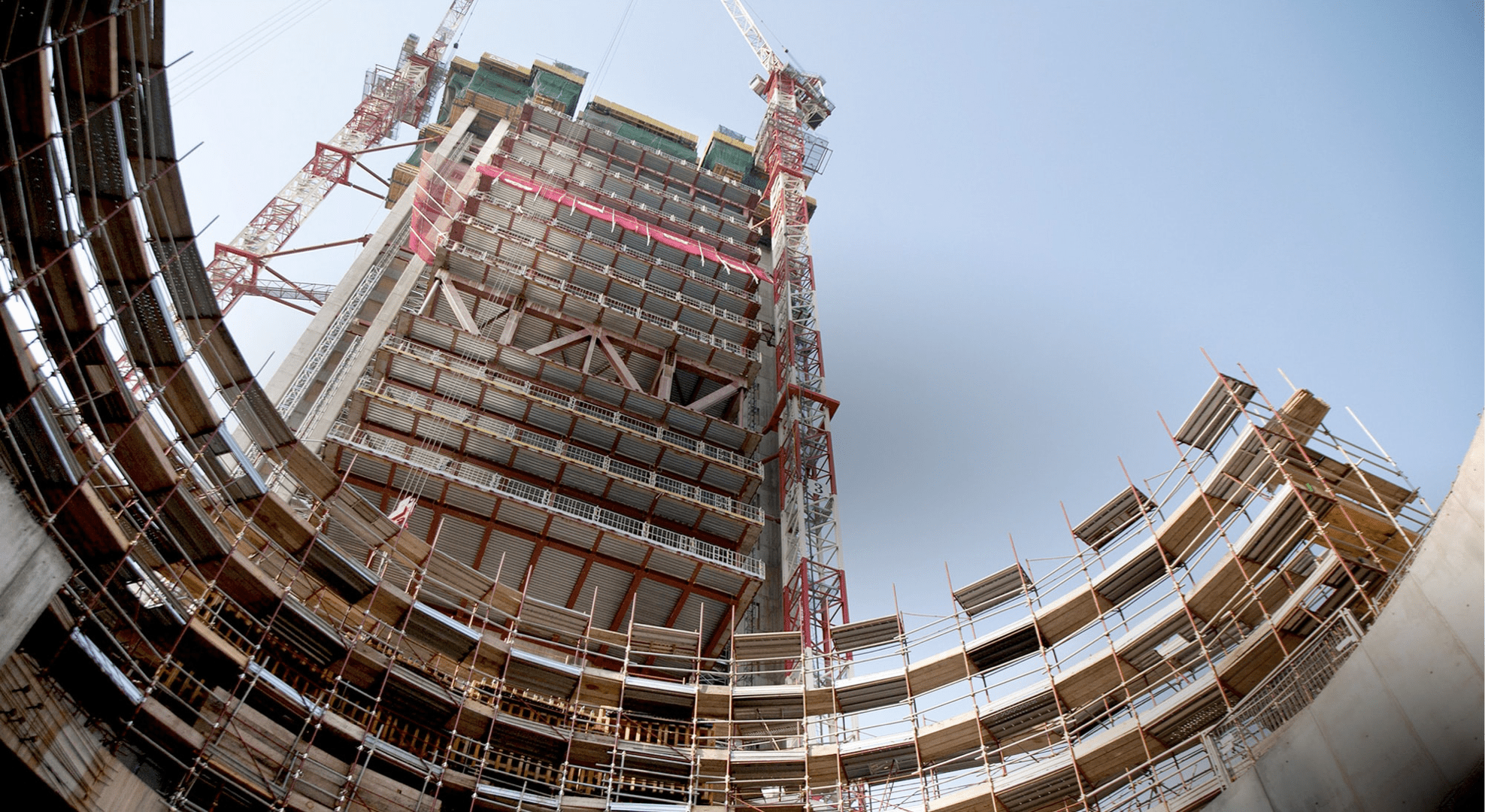
Turin wins the 2006 Olympic bid in 1999. The Games provide a deadline. As Harvey describes in From Managerialism to Entrepreneurialism, the city stops managing welfare and starts marketing itself, treating its built fabric as inventory to be re-circuited. Pre-game investment clusters precisely on the corridor and the sites already mid-conversion — Lingotto, OGR, Spina 3.
“The Games as forcing mechanism for investments already planned.”
Project context, slide 7
Four conversion sites — Lingotto on Spina 1, OGR and Porta Susa on Spina 2, Villaggio Olimpico at Scalo Dora and Parco Dora on Spinas 3 and 4 — distribute roughly €5.6 billion of public and private investment along the south–north axis between 1995 and 2010. The selection is what Tracy Neumann calls the postindustrial imagination: a narrative of urban transformation that the converted buildings perform, and the unconverted ones contradict.
“There has been a transition in the nature of governance from a managerial to an entrepreneurial form… the city itself is now projected as an innovative, exciting, creative, and safe place to live, work, and play — as well as to consume.”
David Harvey, “From Managerialism to Entrepreneurialism: The Transformation in Urban Governance in Late Capitalism” (1989)
Seven venues mapped in gold. Two — the Oval and Lingotto Fiere — occupy former FIAT infrastructure. The factory body becomes event architecture; industrial land becomes Olympic spectacle.

The conversion strategy reabsorbs only the half of the Fordist landscape with exchange value. Mirafiori, the welfare-state housing districts (Falchera, Falchera Nuova, Mirafiori Sud), and the older working-class neighbourhoods of Aurora and Barriera di Milano remain outside the new geography of value. They have no marketable shells. Turin’s postindustrial identity is a post that arrived only where the city deemed it worthwhile.
“The city’s post-industrial spectacle is produced precisely by the erasure of the industrial labor that underwrites it.”
Sharad Chari, Fraternal Capital (2004)
In 2023, €5 billion is announced to convert Mirafiori into a Battery Valley for electric-vehicle production — a smaller workforce, no designated worker housing, connected to a global supply chain. Aurora and Barriera di Milano receive €25.8 million for streetscaping in 2026, twenty years after the Olympics. The order of investment maps onto a geography of value. The post arrived only where it was deemed worth it.
“Capital… does not simply abandon spaces; it transforms them in accordance with new logics of accumulation.”
David Harvey, Spaces of Capital (2001), p. 349
Conclusion
What does the city leave behind when it reinvents itself? In Turin’s case the answer is clear. The shells with exchange value were converted. The welfare-state housing districts and their residents remained in place, outside the new geography of value.
I’m continuing to ponder whether this is a spatial argument, but I believe it is. The capital investments went to those structures that were deemed marketable and within a valuable geographic location. If worker housing had been more centralized, would the residential upgrades have happened sooner? Or would those working-class people have been forced to relocate to make way for Olympic venues or marketable commercial spaces?
I see many similarities to Turin’s economic and social landscape in my home of Warren–Youngstown. Today Youngstown doesn’t have geographic value — a depressed area between Cleveland and Pittsburgh. I fear that a similar value-driven plan will one day create challenges Turin is facing today.
Nathan Sweitzer · The Limits of Legacy: Turin after FIAT and the Olympics · Harvard GSD · 2026